


 407-450-2020
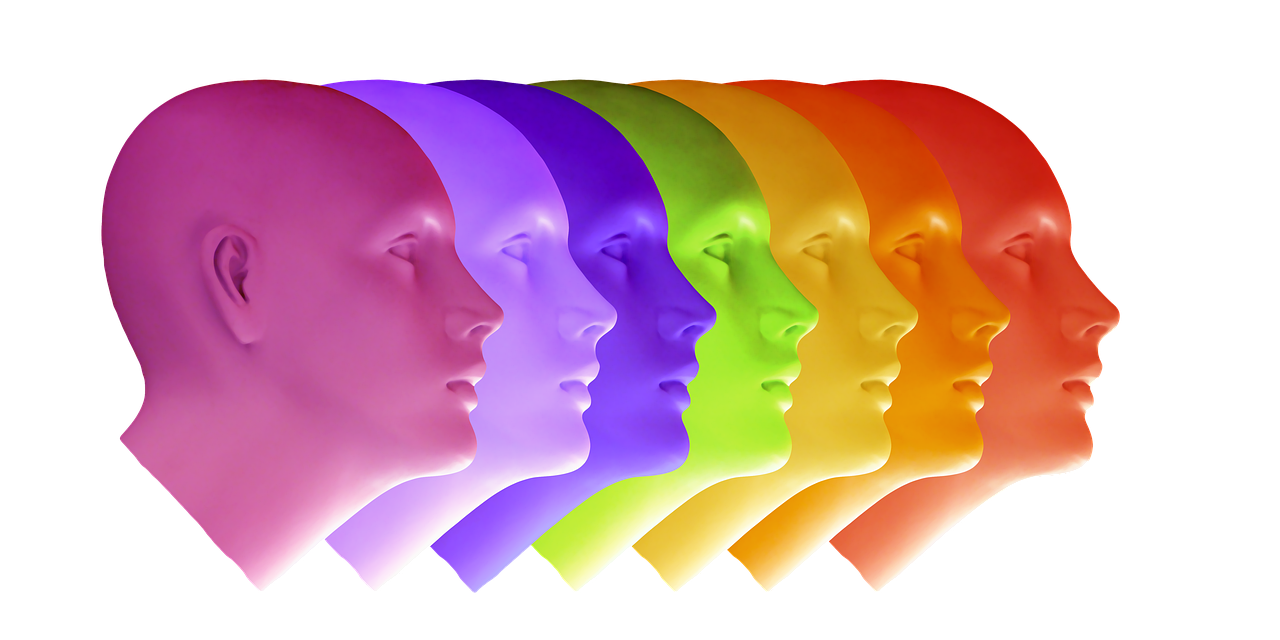
The Science Behind Mood-Altering Paints: Color Psychology in Action
Can the colors on your walls actually influence your mood and behavior? This intriguing question has sparked a fascinating area of research in color psychology. As we delve into the mystery of mood-altering paints, we’ll explore how certain pigments might have a surprising impact on our emotions and actions.
The Power of Color: More Than Meets the Eye
Colors have long been associated with different emotions and psychological states. But recent studies suggest that the impact of color on our psyche may be more profound than previously thought.
[vibrant color swatches paint samples psychology]
The Emotional Spectrum of Colors
Different colors are known to evoke specific emotional responses:
- Red: Often associated with energy, passion, and excitement
- Blue: Linked to calmness, serenity, and productivity
- Yellow: Connected to happiness, optimism, and creativity
- Green: Tied to balance, harmony, and nature
- Purple: Associated with luxury, mystery, and spirituality
These associations aren’t just anecdotal. Research has shown that exposure to certain colors can measurably affect our physiological and psychological states.
The Science Behind Color Psychology
To understand how paints might alter our moods, we need to look at the scientific basis of color perception and its effects on the brain.
How We Perceive Color
Color perception begins in our eyes. Light enters through the cornea and is focused onto the retina, where specialized cells called cones detect different wavelengths of light. These signals are then transmitted to the brain, which interprets them as colors.
[eye diagram color perception retina]
The Brain’s Response to Color
Neuroimaging studies have revealed that different colors can activate specific regions of the brain. For example:
- Blue light has been shown to stimulate areas associated with attention and cognitive function
- Red has been observed to increase activity in areas linked to arousal and alertness
This neurological response to color forms the foundation for the potential mood-altering effects of pigments in paint.
Mood-Altering Paints: Fact or Fiction?
While the idea of paint that can directly manipulate our emotions might sound like science fiction, there’s growing evidence to support the concept.
The Blue Room Effect
One of the most well-known studies in this field is the “Blue Room Effect.” Researchers found that individuals placed in a blue room experienced:
- Lower heart rates
- Reduced blood pressure
- Improved focus and productivity
These findings suggest that blue paint could potentially create a more calming and productive environment in offices or study spaces.
The Impact of Red
Conversely, studies on the color red have shown that it can:
- Increase heart rate and blood pressure
- Enhance physical performance
- Potentially stimulate appetite
This research has led to the strategic use of red in sports facilities and restaurants.
[athlete red jersey performance boost]
Real-World Applications of Color Psychology
The potential of mood-altering paints has not gone unnoticed by various industries and institutions.
Healthcare Settings
Hospitals and healthcare facilities have been at the forefront of applying color psychology to improve patient outcomes:
- Soft blues and greens are often used in recovery rooms to promote healing and reduce stress
- Warm, inviting colors like peach or light yellow are used in pediatric wards to create a comforting atmosphere
Educational Environments
Schools have also begun to leverage the power of color:
- Light blue or green hues are used in classrooms to enhance focus and reduce eye strain
- Brighter colors like yellow or orange are incorporated in creative spaces to stimulate imagination
Corporate Spaces
Businesses are increasingly aware of how color can impact employee well-being and productivity:
- Neutral tones with accents of blue or green are popular in offices to create a calm, focused environment
- Creative agencies often use bolder colors to inspire innovation and out-of-the-box thinking
The Chemistry of Mood-Altering Paints
While the psychological effects of color are well-documented, some researchers are exploring whether the chemical composition of paints could have additional mood-altering properties.
Photocatalytic Paints
One area of interest is photocatalytic paints, which contain compounds that react with light to break down air pollutants. Some studies suggest that improved air quality could have positive effects on mood and cognitive function.
Scented Paints
Another innovative approach is the development of scented paints. Aromatherapy has long been used to influence mood, and incorporating subtle scents into paint could potentially enhance its mood-altering effects.
[paint can mixing machine colorful pigments]
Challenges and Considerations
While the concept of mood-altering paints is exciting, it’s important to approach the topic with a balanced perspective.
Individual Differences
Color perception and its psychological impact can vary significantly between individuals due to factors such as:
- Cultural background
- Personal experiences
- Physiological differences in color perception
Context Matters
The effect of a color can also depend heavily on its context, including:
- The specific shade and intensity of the color
- The combination with other colors in the space
- The function of the room or environment
Long-Term Effects
Most studies on color psychology focus on short-term effects. More research is needed to understand the long-term impact of living or working in spaces painted with mood-altering colors.
Practical Tips for Using Color Psychology at Home
If you’re intrigued by the potential of mood-altering paints, here are some tips for applying color psychology in your own space:
- Identify the primary function of each room and choose colors that support that purpose
- Consider the natural light in the space and how it might interact with different paint colors
- Test paint samples in the actual room to see how they look at different times of day
- Pay attention to your personal reactions to different colors
- Use accent walls or color blocking to incorporate multiple hues without overwhelming the space
[interior design color palette swatches]
The Future of Mood-Altering Paints
As research in color psychology and paint technology continues to advance, we may see exciting developments in the field of mood-altering paints:
- Smart paints that can change color based on environmental factors or user preferences
- Paints with enhanced air-purifying properties for improved well-being
- Customized color formulations based on individual psychological profiles
Conclusion
The mystery of mood-altering paints reveals a fascinating intersection of psychology, neuroscience, and design. While more research is needed to fully understand the extent of paint’s influence on our emotions and behavior, the existing evidence suggests that the colors we choose for our environments can have a significant impact on our well-being.
By understanding the principles of color psychology and staying informed about advancements in paint technology, you can make more intentional choices about the colors in your living and working spaces.
Ready to explore the transformative power of color in your home or office? Overtop Painting offers expert color consultation services to help you create spaces that not only look beautiful but also support your emotional and psychological well-being.
Take the first step towards a more harmonious and mood-enhancing environment by scheduling a consultation with Overtop Painting today.


