


 407-450-2020
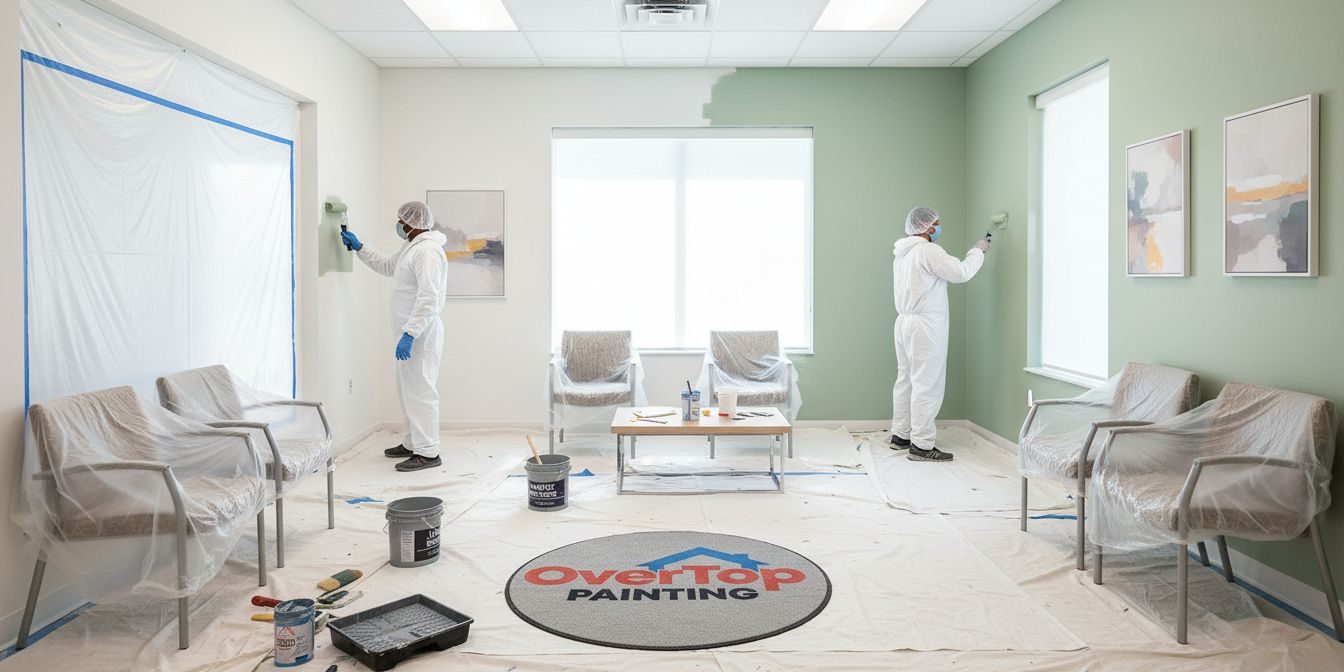
Medical Clinic Painting Solutions: Why Healthcare Facilities in Central Florida Are Upgrading Their Interiors
Your clinic’s appearance directly impacts patient confidence and safety perception. As of February 2026, Orlando-area health systems and medical offices are accelerating interior renovations with a focus on clean, professional environments that support infection control and patient comfort. Whether you manage an urgent care center, outpatient clinic, or specialty medical office in Orlando, Apopka, or surrounding Central Florida areas, understanding the painting standards expected by modern healthcare facilities is essential.
The Healthcare Painting Trend Sweeping Central Florida
Medical offices across the Orlando region—from Winter Park to Kissimmee—are investing in cosmetic upgrades that go far beyond aesthetics. Clean, safe, and professional painting solutions have become a standard expectation, not a luxury add-on. Updated reports from February 2026 show that outpatient clinics, urgent care centers, and medical office buildings are prioritizing repainting projects as a cost-effective way to project cleanliness and modernize aging spaces.
The reason is straightforward: patients equate a freshly painted, spotless clinic with a safe, well-maintained facility. A drab waiting room or scuffed exam area sends an unintended message about the quality of care inside. That’s why facility managers are scheduling professional painting work during off-hours and recruiting contractors who understand the unique demands of healthcare environments.
Why Standard Painting Won’t Cut It in Medical Settings
Not all painting contractors are equipped to handle medical offices. Healthcare facilities have strict regulatory and operational requirements that residential or general commercial painters often overlook.
Regulatory Compliance and Safety Standards
Medical clinics must maintain infection-control protocols during any renovation work. This means painting contractors need to understand:
- Dust containment procedures to protect sensitive medical equipment and prevent contamination
- Low-odor, quick-curing paints that minimize disruption to patient care
- Hospital-grade paint systems that meet clinical durability standards
- Surface disinfection protocols before and after painting
A February 2026 report from The Joint Commission emphasizes that renovation work in active healthcare environments requires careful planning. Contractors must schedule projects during off-hours, manage infection-control risk assessments, and use products compatible with hospital-grade cleaners. Skipping these steps puts your clinic at regulatory risk and compromises patient safety.
Material Specifications That Matter
Healthcare facilities aren’t just choosing any paint. As of February 2026, Central Florida clinics are increasingly adopting:
- Low-VOC (Volatile Organic Compound) paints to support indoor air quality and reduce chemical odors
- Antimicrobial finishes in high-touch areas like exam rooms and corridors
- Highly cleanable, stain-resistant coatings designed to withstand frequent scrubbing and hospital-grade disinfectants
- Calming color palettes (blues, greens, and neutrals) that support patient comfort while maintaining a professional appearance
These aren’t marketing buzzwords—they’re clinical necessities. A February 2026 update from FacilitiesNet documents how facility managers in Orlando suburbs like Altamonte Springs and Winter Park now routinely include indoor air quality (IAQ) reviews as part of repainting specifications. The right paint system can directly support your infection-control goals while delivering professional, attractive finishes.
What Healthcare Developers Expect From Painting Contractors
If your clinic is undergoing renovation or relocation, understanding what medical office developers and tenants demand can help you plan your project successfully. A February 2026 GlobeSt report profiles medical office buildings across the Orlando metro area that are upgrading interiors to attract healthcare tenants. The common thread: landlords and facility managers expect spotless, freshly painted suites that reflect a clean, safe clinical environment.
Developers highlight several contractor capabilities as non-negotiable:
- Meticulous surface preparation and drywall repairs that leave no trace of previous damage
- Dust-controlled work executed with temporary barriers and air purification
- Precise scheduling that minimizes disruption to ongoing patient care
- Quality assurance through post-project inspections before turnover
Healthcare contractors understand that a single spot of dust on an exam room light fixture or a missed paint drip on baseboard trim can undermine the entire impression of cleanliness. This level of attention to detail separates professional healthcare painters from general contractors.
The Central Florida Healthcare Construction Boom
Central Florida is experiencing rapid growth in medical facilities. A February 2026 Spectrum News 13 report details the expansion of primary-care and specialty clinics in growing suburbs like Winter Garden, Clermont, and Apopka—all within 100 miles of Orlando. Many of these facilities are retrofit projects in former retail or office spaces, requiring extensive interior painting, drywall adjustments, and exterior updates.
This boom creates both opportunity and pressure. New clinics are opening faster than ever, and facility managers need reliable contractors who can deliver hospital-grade results on tight timelines. Whether you’re managing a new development or refreshing an established facility, choosing a painting partner who understands healthcare standards is critical.
How to Choose a Painting Contractor for Your Medical Facility
Not every painting company is qualified to handle healthcare environments. When evaluating contractors, look for these key indicators:
Experience in Healthcare Environments
Ask potential contractors about their experience with medical offices, clinics, and other regulated healthcare spaces. How many projects have they completed? Can they reference satisfied healthcare clients? Do they understand The Joint Commission compliance requirements? A contractor with genuine healthcare painting experience will recognize the nuances of your project immediately.
Knowledge of Infection-Control Standards
Your contractor should be able to discuss dust containment, low-odor products, and surface disinfection protocols without needing you to explain them. If a contractor seems unfamiliar with infection-control terminology or best practices, that’s a red flag. Healthcare painting isn’t just about applying paint—it’s about maintaining a sterile environment during the process.
Capability for Off-Hours and Phased Work
Healthcare facilities can’t always shut down for painting projects. Your contractor should be flexible enough to work evenings, weekends, or in phases that minimize disruption to patient care. This requires careful scheduling, coordination with facility management, and discipline in cleanup protocols.
Clear Communication About Materials and Timelines
A professional healthcare painting contractor will provide detailed specifications about the paints and coatings being used, explain why certain materials are selected for your clinic, and set realistic timelines that account for surface prep, drying time, and inspection. Vague estimates or unclear product information suggest the contractor isn’t taking your healthcare standards seriously.
The Bottom Line: Clean, Safe, Painting Is an Investment in Patient Confidence
Your clinic’s interior sends a message to every patient who walks through the door. As of February 2026, the healthcare industry’s expectation is clear: clean, safe, and professional painting solutions are non-negotiable. Whether you’re managing an urgent care center in Kissimmee, a specialty clinic in Winter Park, or a medical office in Apopka, investing in professional painting that meets healthcare standards isn’t a luxury—it’s a business essential.
The contractors who understand this difference deliver more than paint. They deliver confidence, regulatory compliance, and the kind of meticulous attention to detail that keeps your clinic running safely and looking its best.
When you’re ready to refresh your medical facility’s interior, partner with a contractor who has proven experience in healthcare environments, understands infection-control standards, and commits to the level of precision your patients expect.


