


 407-450-2020
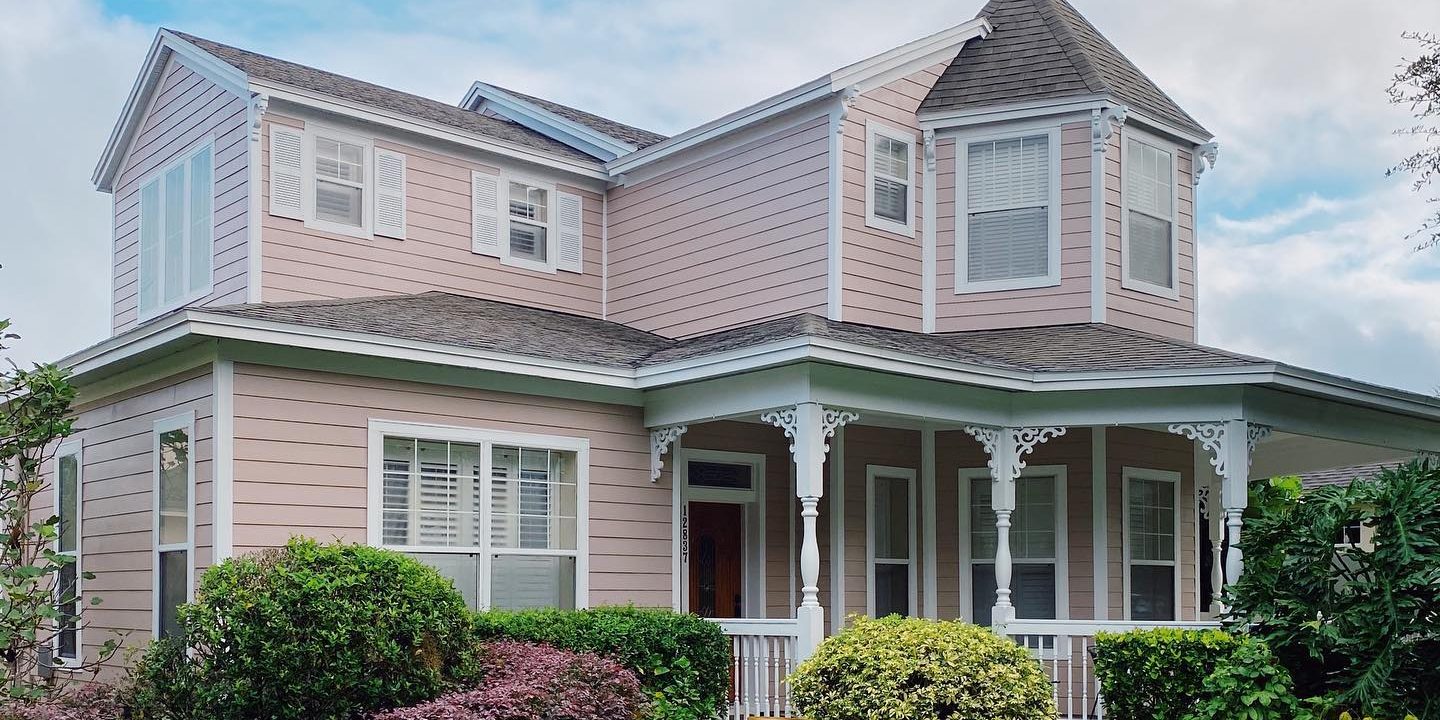
Preserving History, Embracing Modernity: The Art of Painting Older Homes
The Delicate Balance of Old and New
In the world of home restoration, there’s a delicate dance between preserving historical integrity and embracing modern design trends.
As homeowners of older properties, we often find ourselves at a crossroads: Do we maintain the original aesthetic, or do we infuse contemporary elements? The good news is, with careful planning and execution, it’s possible to achieve both.
Understanding the Historical Context
Before diving into any painting project, it’s crucial to understand the historical context of your home. Different architectural styles, from Colonial to Victorian to Craftsman, each have their unique characteristics and color palettes.
For instance, Victorian homes are known for their bold, rich colors, while Craftsman-style houses often feature earthy, natural tones. Researching your home’s era can provide valuable insights into appropriate color schemes and design elements.
Assessing Your Home’s Condition
Before you pick up a paintbrush, take time to evaluate your home’s current condition. Look for signs of wear, identify original materials, and determine which elements hold historical significance. This assessment will guide your decisions on what to preserve, repair, or replace.
Integrating Modern Trends
While respecting your home’s history is important, there’s no rule against incorporating modern trends. Today’s popular painting trends include:
- Bold accent walls
- Neutral color schemes
- Textured finishes
- Eco-friendly paint options
The key is to find a balance. For example, you might use a historically accurate color for the exterior but add a modern twist with a bold front door color.
 overtop-instagram-56
Choosing the Right Paint
Selecting the appropriate paint is crucial for older homes. Consider factors like:
- Paint type (oil-based vs. water-based)
- Breathability (especially important for older structures)
- Historical accuracy
- Durability and maintenance requirements
Many paint manufacturers now offer lines specifically designed for historical homes, making it easier to find options that meet both aesthetic and practical needs.
Techniques for Painting Older Homes
Painting an older home requires special care and techniques. Proper preparation is key – this might include repairing damaged surfaces, removing old paint, and priming. When it comes to application, consider using techniques that mimic historical methods for a more authentic look.
While DIY can be tempting, hiring a professional with experience in historical homes can often yield the best results. They’ll have the knowledge and skills to handle the unique challenges that come with older properties.
Learning from Success Stories
Looking at successful restorations can provide inspiration and valuable lessons. For example, the Smith family in Boston managed to update their 1890s Victorian with a modern color scheme while still honoring the home’s original architecture. They chose a historically accurate sage green for the body of the house but added pops of contemporary coral on the trim and porch details.
Conclusion: A Thoughtful Approach
Balancing modern trends with historical integrity when painting older homes is an art form. It requires research, careful planning, and a deep appreciation for both history and contemporary design. By taking a thoughtful approach, you can create a home that honors its past while embracing the present.
At OverTop Painting, we understand the unique challenges and joys of painting older homes. Our team of experienced professionals specializes in blending historical accuracy with modern aesthetics.
Whether you’re looking to restore your home to its original glory or add a contemporary twist, we’re here to help bring your vision to life. Contact us today for a consultation and let’s work together to create a home that’s both a nod to the past and a step into the future.


