


 407-450-2020
I need to retrieve the information from the previous workflow steps to generate your blog post. Let me gather all the necessary details.
How Condominium Associations Can Build a Sustainable Painting & Maintenance Plan for 2026 and Beyond
If you’re on a condominium association board, you already know the challenge: keeping your building looking sharp while staying within budget and meeting Florida’s strict reserve requirements. The good news is that a sustainable painting and maintenance plan doesn’t have to drain your reserves or force residents to accept special assessments.
This guide walks you through building a long-term painting strategy that protects your property, keeps costs predictable, and aligns with the latest Florida condo laws—especially if you’re managing a property in Apopka, Orlando, or Central Florida.
Why Florida’s Condo Laws Make Painting a Reserve Item
Florida recently updated its condominium regulations, and exterior painting is now explicitly classified as a required reserve item. This means your association’s reserve study must account for painting cycles, waterproofing, and exterior maintenance—not as optional upgrades, but as legal obligations.
What does this mean for you? Your board can no longer defer exterior painting without legal risk. Instead, planning multi-year painting cycles protects the building’s structural integrity, keeps insurance claims lower, and helps you avoid the dreaded special assessment that upsets residents.
The catch? You need a reliable painting partner who understands HOA timelines and can execute within your budget constraints.
The Multi-Year Painting Cycle: Your Budget Stabilizer
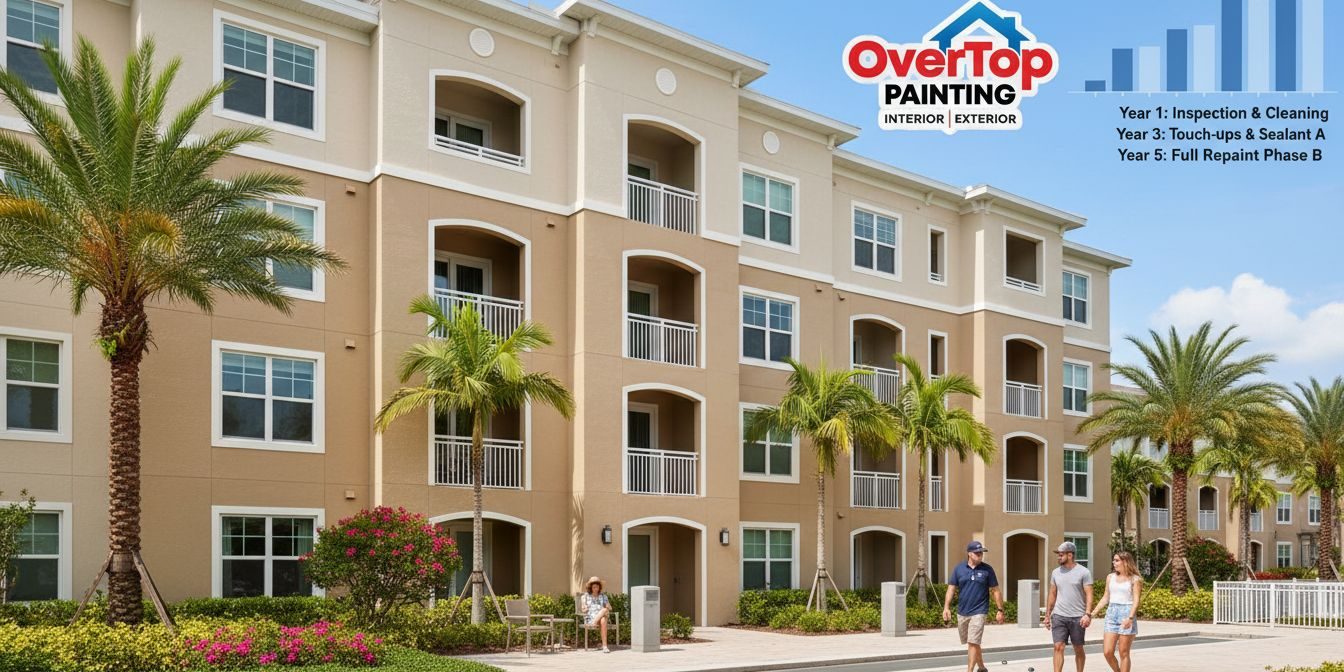
Rather than waiting for crisis repairs, successful condo boards implement predictable painting cycles. Here’s the typical approach:
- Year 1-2: Full exterior repaint, focus on weather-exposed areas (trim, fascia, soffits)
- Year 3-4: Interior common areas, hallways, lobbies
- Year 5-7: Waterproofing treatments, sealing, preventive coatings
By breaking painting into phases, you:
- Spread costs across multiple budget years
- Reduce the likelihood of emergency repairs
- Keep the building in top condition without shocking residents
- Demonstrate financial responsibility to potential buyers
The key is partnering with a painting contractor who understands this long-term rhythm and can work around your reserve study timeline.
Aligning Painting Plans with Reserve Studies
Your reserve study is the board’s financial roadmap. It estimates how long major components—roofing, HVAC, painting, waterproofing—will last and when they need replacement. A comprehensive reserve study includes:
- Detailed exterior condition assessments
- Projected painting and coating costs over 30 years
- Waterproofing and structural durability timelines
- A phased approach that keeps special assessments minimal
When selecting a painting contractor, choose one who:
- Reviews your reserve study before quoting
- Recommends painting cycles aligned with structural needs
- Communicates transparently about long-term maintenance
- Provides warranties that factor into reserve planning
This partnership approach ensures your painting investments support your legal obligations without surprises.
Reducing Special Assessments Through Preventive Painting
One of the most frustrating moments for board members is announcing a special assessment. Residents feel blindsided, property values dip temporarily, and resentment builds. Preventive painting programs eliminate this problem.
Here’s why: exterior damage compounds. A small area of peeling paint becomes water intrusion. Water intrusion becomes structural rot. Structural rot becomes a five-figure emergency repair. But if you catch it early with routine painting and maintenance, you spend $5,000 now instead of $50,000 later.
Central Florida’s humid climate accelerates this deterioration. Salt air, constant sun exposure, and moisture create ideal conditions for coating failure. By implementing an annual or bi-annual touch-up program, you:
- Catch minor issues before they spread
- Extend the life of existing paint and finishes
- Protect stucco, wood, and metal from weathering
- Keep maintenance costs predictable and reserve-friendly
This is why licensed, insured painting contractors with HOA experience are worth the investment—they know what to look for and can recommend preventive measures.
Selecting a Painting Contractor Who Understands HOAs
Not all painting companies are built for condo associations. The best ones bring specific expertise:
Licensed and Insured
Verify that your contractor holds an active Florida painting license and carries commercial liability insurance plus workers’ compensation. This protects your association from liability if something goes wrong on-site.
Experience with Multi-Unit Properties
Ask for references from other condo associations. Have they managed projects in Apopka, Winter Park, or other Central Florida communities? How do they handle resident communication and noise management?
Clear Communication and Transparency
Your board shouldn’t discover surprises mid-project. A quality contractor:
- Provides detailed written estimates
- Explains the scope clearly (what’s included, what’s not)
- Updates the board on progress regularly
- Addresses resident concerns promptly
Warranty and Long-Term Support
A confident painter backs their work with warranties. For condo associations, this means multi-year coverage on materials and workmanship. It also signals they plan to be around if issues arise.
Budget Flexibility
Great contractors understand HOA constraints. They can phase projects, work within reserve allocations, and sometimes offer payment plans that align with your annual budget cycles.
Building a Long-Term Maintenance Schedule
Once you’ve partnered with a trusted painter, establish a recurring maintenance calendar. This might look like:
| Phase | Year | Scope | Estimated Cost |
|---|---|---|---|
| Exterior Prep & Paint | 2026 | Full building exterior, trim, fascia | $25,000–$50,000 |
| Common Area Interior | 2027 | Hallways, lobbies, amenity areas | $8,000–$15,000 |
| Touch-Up & Repairs | 2028 | Preventive maintenance, spot repairs | $3,000–$5,000 |
| Waterproofing | 2029 | Sealants, protective coatings | $5,000–$10,000 |
| Full Exterior Refresh | 2030 | Repaint cycle begins again | $25,000–$50,000 |
This schedule communicates expectations to residents and helps the board forecast reserve needs accurately.
Waterproofing: The Hidden Cost Condo Boards Miss
Florida’s climate means waterproofing isn’t optional—it’s essential. When painting contractors refresh your exterior, they should also evaluate:
- Caulk deterioration around windows and doors
- Stucco cracks or gaps
- Roof penetrations and flashings
- Balcony and deck membrane integrity
Many boards discover water damage only after the fact. By bundling waterproofing with regular painting cycles, you catch problems early and prevent costly structural repairs.
How Central Florida’s Construction Boom Affects Your Planning
Central Florida is booming. New multifamily developments, condo conversions, and renovation projects are competing for contractor resources. For associations in Apopka, Winter Park, Kissimmee, and surrounding areas, this means:
- Experienced painters are increasingly in-demand
- Lead times for large projects are getting longer
- Booking your contractor 6–12 months in advance is wise
- Partnerships with established, reliable firms are more valuable than ever
The takeaway? Plan ahead. Board that multiyear painting contract before availability tightens further.
Creating a Resident Communication Plan
Painting projects disrupt daily life. Residents appreciate transparency about timelines, dust management, and parking impacts. A strong communication plan includes:
- Early notification: Announce projects 30–60 days in advance
- Clear scope documents: Explain what areas are being painted, when, and for how long
- Progress updates: Weekly or bi-weekly newsletters during active work
- Complaint resolution: A clear process for residents to report concerns
- Final walkthrough: Invite resident input before signing off
When residents feel heard and informed, support for painting investments grows. They’re more likely to vote yes on assessments and recommend candidates who prioritize building upkeep.
The Bottom Line: A Sustainable Plan Starts Now
Building a sustainable painting and maintenance plan is one of the smartest investments a condo board can make. It keeps your building valuable, protects residents’ equity, and demonstrates fiscal responsibility that strengthens community trust.
The formula is simple: work with licensed, experienced painters who understand HOA timelines, align projects with your reserve study, and commit to long-term partnerships. When you do, special assessments become rare, your building stays beautiful, and your board earns the respect of residents and prospective buyers alike.
If you’re ready to start building your painting plan, reach out to a contractor in your area with specific HOA experience—someone who understands Apopka, Orlando, and Central Florida’s unique climate and regulatory environment. The time to plan is now, not when emergency repairs force your hand.


